battlegame
A browser real-time tactics game where reconnaissance, physical fire, and positioning decide the battle.
Every round is a flown projectile. Every side sees only what its own units can see. Fresh seeded battlefields put the same roster into a different fight each time, while the simulation keeps every replay exact.
The fight
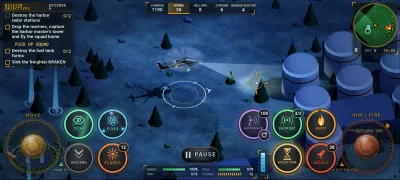
You command squads, vehicles, and aircraft across generated maps. Scout before you expose yourself, use bodies and buildings as cover, break the line that holds an enemy in place, and make every shot count. Infantry ride APCs, IFVs, light vehicles and helicopters, hidden until they unload, and bail out hurt when their carrier dies. The game aims for the realism of a war film: physical enough to feel legible, dramatic enough to be fun.
The rules stay small because they come from what units and weapons physically have. A weapon's target classes decide what it can engage. A unit's hull, sensors, and movement properties decide where it can go and what it can know. There are no special-case “tank trap” or “air-defence unit” rules hiding behind the content.
What makes it different
- One battle, one authority. The deterministic simulation owns commands, visibility, combat, and replay digests. The browser and native client observe it.
- Information is part of the fight. You do not receive the enemy's hidden state; every side gets the evidence its own units earned.
- Terrain has consequences. Bodies block movement and rounds according to their authored physical properties. Cover, destruction, and line of fire are visible outcomes of those properties.
- The battlefield stays reproducible. Seeds, commands, and digests make a battle you can replay, compare, and investigate.
Try it
You need Bun, Rustup, wasm-pack, and a WebGPU browser.
bun run setup
bun run dev
bun run setup installs dependencies, installs the repository's pre-commit
checks, prepares Playwright Chromium, and checks the audio-test prerequisites.
On Windows, tools/setup-windows.ps1 checks the
required tools and prepares the browser or native
client.
A battle's address is shareable: it names the admitted map and the player's choices, so a seeded battle opens the same fight again. The developer menu holds the battle lab, tutorial, and development tools.
Find your way around
development.md owns the engineering model: which subsystem owns each concept (with a link to each subsystem's README), the game rules, the check ladder, and the contributor workflow. The specs hold active plans and the durable rationale for shipped features. Agents should start with AGENTS.md.