
Numen AI — Multi-Tenant Conversational AI SaaS Platform
A production AI SaaS platform with WhatsApp, Telegram and Web Chat live; Instagram DM and Messenger are connected but await Meta App Review for public rollout. It uses a gateway pattern, tenant isolation, spend controls and recovery workflows.
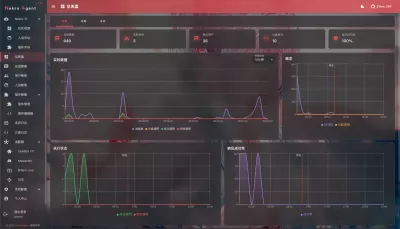
Two halves, one platform: an agent backend (n8n Cloud, GPT-5.6 Luna, hybrid RAG) that does the work, and a Next.js/Supabase dashboard where a tenant's team watches it happen in real time, takes over a conversation, and manages the data the agent draws on. This repo documents both — docs/architecture.md for the backend, docs/dashboard-architecture.md for the dashboard.
Architecture
┌────────────────────────────────────────────────────────────────────┐
│                        INBOUND CHANNELS                            │
│                                                                    │
│   WhatsApp    Telegram   Web Chat   Instagram   Messenger   Gmail* │
│   (text+audio) (text)    (embedded)  (DM)        (DM)     (paused) │
└───────────┬────────────────┬───────────────┬──────────────────────┘
            │                │               │
            ▼                ▼               ▼
┌────────────────────────────────────────────────────────────────────┐
│              CHANNEL ADAPTERS  ─  Universal Message Model (UMM)    │
│   Normalize every channel to: { tenantId, channel, user,           │
│   message, security, timestamp }  ─  signed with X-Hub-Signature   │
└──────────────────────────────┬─────────────────────────────────────┘
                               │
                               ▼
┌────────────────────────────────────────────────────────────────────┐
│                         CORE ROUTER                                │
│   1. Auth        X-Platform-Key validation                         │
│   2. Sanitize    input truncation + injection stripping            │
│   3. Rate Limit  20 req/min/user · 30/session · 100/tenant         │
│   4. Tenant Gate tenant_registry lookup + status check            │
│   5. Spend Cap   HTTP 402 (non-retryable) when budget exceeded     │
└──────────────────────────────┬─────────────────────────────────────┘
                               │
                               ▼
┌────────────────────────────────────────────────────────────────────┐
│                    CORE AGENT ENGINE v6                            │
│                                                                    │
│  ┌──────────────────┐   ┌─────────────────┐   ┌────────────────┐  │
│  │  Session Memory  │   │   GPT-5.6 Core  │   │    Tenant      │  │
│  │  ~50 msg window  │   │   Tool Calling  │   │  Config Loader │  │
│  │  per user/channel│   │   + RAG context │   │  (modules,     │  │
│  └──────────────────┘   └────────┬────────┘   │   prompt, KB)  │  │
│                                  │            └────────────────┘  │
└──────────────────────────────────┼─────────────────────────────────┘
                                   │  execute_module tool
                                   ▼
┌────────────────────────────────────────────────────────────────────┐
│              MODULE DISPATCHER v2  (tenant-isolated)               │
│   Validates tenantId + moduleId against tenant_modules before      │
│   routing. Returns HTTP 403 SECURITY_MODULE_FORBIDDEN on           │
│   unauthorized access. workflowId resolved at runtime from         │
│   module_registry DataTable — zero coupling.                       │
└───┬───────────────┬───────────────────┬────────────────────────────┘
    │               │                   │
    ▼               ▼                   ▼
┌────────┐   ┌──────────────┐   ┌────────────┐
│ RAG v3 │   │ Calendar v3  │   │  Leads v2  │
│ KB     │   │ Google Cal.  │   │ G. Sheets  │
│ +cache │   │ real booking │   │ real CRM   │
└────────┘   └──────────────┘   └────────────┘
    │
    ▼
┌────────────────────────────────────────────────────────────────────┐
│               TELEMETRY SINK  (fire-and-forget)                    │
│   Single sub-execution consolidating: execution_logs +             │
│   analytics_events + token_usage + cost calculation                │
│   Does NOT block the response path if it fails.                    │
└────────────────────────────────────────────────────────────────────┘
What This Platform Does
| Capability | Detail |
|---|---|
| AI Agent | GPT-5.6 Luna (Responses API, tool calling) with RAG over business KB and ~50-message session memory per user per channel. Model overridable per tenant via config — zero redeploy. |
| Multi-tenant | Full tenant isolation by tenantId across 22+ DataTables. Onboarding in a single API call. |
| Channels | Live: WhatsApp (text and audio with Whisper transcription), Telegram and Web Chat. Connected, awaiting public rollout: Instagram DM and Messenger (Meta App Review pending). Built, paused: email (dedicated mailbox pending). |
| RAG | Pluggable backend per tenant: Google Sheets KB + in-memory vector store (default), or Supabase pgvector with hybrid search (vector ⊕ Postgres FTS fused via RRF), LLM query rewriting and reranking |
| Self-service KB Center | Clients edit their own knowledge base from the dashboard: draft/publish editorial flow on Supabase with RLS, PDF/DOCX import, and a website crawler (SSRF guards, robots.txt, quotas, checksums) that keeps the KB in sync with the client's site |
| Business modules | Calendar booking (Google Calendar), lead capture (Google Sheets), reminders (Telegram daily 8AM) |
| Latency | ~12 s E2E with RAG. RAG: 4.3 s cold / 1.7 s cached. Measured on GPT-4.1; not re-measured since the GPT-5.6 migration. |
| Executions/msg | 6–7 (direct) / 9–10 (with module) — down from 13 after Sprint C optimization |
| Audio | WhatsApp voice messages → Whisper API → text → agent, transparent to the user |
| Live supervision | Client-facing dashboard streams every stage of the agent's work (received → thinking → tool call → answered) via Supabase Realtime, without exposing model chain-of-thought |
| Human-in-the-loop | Pause the agent on a single conversation from the dashboard — zero AI cost while paused, reply manually (WhatsApp), auto-resume after 4h if the operator forgets |
Resilience: No Message Is Ever Permanently Lost
Three patterns work together to guarantee delivery:
1. Exponential Backoff Retry Queue
- Retryable failures (network timeouts, transient AI errors) go to
retry_queue - Retry schedule: 2 min → 10 min → 30 min (max 3 attempts)
- After 3 failures → promoted to DLQ for manual review
2. Dead Letter Queue (DLQ)
- Catches: non-retryable errors (HTTP 402, 403, 422) + retry-exhausted messages
- Every entry logged with:
tenantId,channel,error_code,payload,timestamp,attempts - Manual replay via
module-dlqworkflow: replay action re-injects intocore-routerwith full context
3. Circuit Breaker
- Opens after 5 consecutive core-router failures (state persisted in
platform_securityDataTable) - When open: rejects new messages immediately (fast-fail) instead of hammering a broken downstream
- Auto-recovery: next successful execution closes the breaker
- Admin alert via Telegram on state change (open/closed)
Together: transient errors retry automatically, permanent errors are captured for manual action, and cascading failure is cut off at the source.
FinOps: Full Cost Visibility and Enforcement
| Metric | Value |
|---|---|
| Idle execution reduction | ~90% (~9,330 → ~936 executions/month) in the pre-commercial configuration. Baseline: three measured days in June 2026 extrapolated to a month; after: expected rate from configured schedules. See FinOps Strategy. |
| Spend Cap enforcement | HTTP 402 (non-retryable) — adapter never retries this |
| Usage alert | Telegram notification at 80% of monthly budget (1×/day, no spam) |
| Cost per conversation | ~$0.06 (GPT-4.1, 7 messages) / ~$0.012 (GPT-4o-mini) — pre-migration figures |
| Gross margin | >90% at ~200 conversations/month per tenant |
| Spend cap lag | ≤6h (cost-aggregator runs every 6h) |
| Billing export | Automated monthly: MRR, cost/tenant, margin, ROI → Google Sheets |
How it works: Every AI call writes to token_usage (chars/4 estimation). module-cost-aggregator runs every 6h and upserts tenant_usage rollup. core-router checks tenant_usage against the plan's spend cap before every request — if exceeded, returns HTTP 402 immediately, which the channel adapter marks as non-retryable.
Human-in-the-Loop: Supervision Without Losing Control
An AI agent handling real leads needs an escape hatch. Three pieces work together, all authenticated with the operator's own Supabase JWT — never the platform's internal shared secret:
- Live dashboard — every message's lifecycle (received, thinking, tool call, answered) streams to the operator's browser in real time via Supabase Realtime. No chain-of-thought is ever exposed, only operational stage.
- Pause gate, checked before the LLM call, not after —
core-routerchecks ahumanPausedflag right after loading the session, before building the prompt or invoking the model. A paused conversation costs zero AI tokens: the message is saved to session memory (so context isn't lost) and the operator's channel adapter receives a static acknowledgment instead of a model response — same response contract as a normal answer, so the WhatsApp/Telegram/Web Chat adapters needed no changes to support pausing. - Auto-resume — a scheduled workflow reactivates any conversation paused for more than 4 hours, so an operator forgetting to unpause never permanently silences the bot for a lead.
Manual reply (operator types the answer, agent stays silent) currently ships for WhatsApp — same JWT-authenticated pattern, reusing the channel's existing send credential.
Advanced RAG in Production: the Huberman Tenant
The multi-tenant RAG layer is exercised beyond the commercial use case by a dedicated tenant running a coaching bot over 400+ episodes of podcast content: dual-layer ingestion (episode summaries + 17,899 transcript chunks cut on the show's real chapter timestamps), hybrid retrieval (pgvector cosine ⊕ Postgres full-text fused with Reciprocal Rank Fusion), LLM query rewriting and reranking, YouTube deep-links to the exact minute of the source, and a quantitative eval harness (golden set, Recall@8 / MRR) — all sharing this platform's router, agent engine, and module dispatcher with zero changes for other tenants.
→ Dedicated repo with architecture, evals, and two production debugging case studies: huberman-rag-eval
Workflow Inventory (70 total, 50 active in production)
| Category | Workflow | Role |
|---|---|---|
| Core hot-path | core-router |
Single entry point: auth, rate limit, tenant gate, spend cap |
core-agent-engine-v6 |
GPT-5.6 Luna agent: Responses API, tool calling, RAG context injection, session memory | |
core-config-loader |
Loads tenant config, modules, KB location per request | |
core-memory-manager |
Session lifecycle: get/create/update with DataTable upsert | |
core-logger |
Structured logging to execution_logs |
|
core-error-handler |
Error classification: retryable vs non-retryable, HTTP status mapping | |
| Business modules | module-rag-v3 |
RAG: KB lookup via Google Sheets + embedding cache |
module-calendar-v3 |
Google Calendar: real booking, cancellation, availability check | |
module-leads-v2 |
Lead capture: name/email/phone extraction → Google Sheets | |
module-dispatcher-v2 |
Tenant-isolated routing: validates auth before executing any module | |
module-reminders |
Daily 8AM: tomorrow's appointments via Telegram | |
module-registry |
CRUD for module_registry DataTable | |
| Channel adapters | channel-whatsapp-adapter-v2 |
WhatsApp: X-Hub-Signature-256, dedup by wamid, audio routing |
audio-transcriber |
WhatsApp audio → Whisper → text (sub-workflow) | |
channel-telegram-adapter |
Telegram Trigger → UMM → core-router → reply | |
channel-webchat |
n8n hosted chat → UMM → core-router | |
channel-facebook-adapter-v2 |
Facebook Messenger: security hardening, dedup by mid | |
channel-instagram-adapter-v2 |
Instagram DM: security hardening, dedup by mid | |
channel-email-adapter-v2 |
Email: dedup by Message-Id (active, pending mailbox) | |
| Resilience | module-error-recovery |
Error Trigger → classify → retry_queue or DLQ |
module-retry-engine |
Schedule 5min: process retry_queue with backoff + circuit breaker | |
module-dlq |
DLQ CRUD: ingest / list / get / replay / discard | |
| Observability | telemetry-sink |
Single fire-and-forget: logs + analytics + cost in one execution |
analytics-collector |
Business events ingestion (lead_captured, booking_created, etc.) | |
analytics-engine |
Event normalization + GPT cost estimation → analytics_events | |
Audit Logger |
Security audit trail → audit_logs + Telegram on critical events | |
| Security | Tenant Isolation Validator |
tenant_registry + tenant_modules authorization check |
Rate Limiter |
Bucket-key counter: 20/min user, 30/session, 100/tenant | |
security-maintenance |
Daily 04:00: purges processed_messages >7d, rate_limit_counters >24h | |
| FinOps & billing | billing-export |
Monthly: MRR, cost, margin, ROI per tenant → Google Sheets |
module-cost-tracker |
Per-call: token estimation → pricing lookup → token_usage insert | |
module-cost-aggregator |
Every 6h: aggregates token_usage → tenant_usage UPSERT | |
| Operations | tenant-provisioner |
Full tenant onboarding in 1 API call |
tenant-manager |
Admin CRUD: create/list/get/update/set_status | |
tenant-module-manager |
Per-tenant module entitlements: activate/deactivate | |
ops-set-tenant-plan |
Hot plan change across the 3 tiers (inicio/impulso/escala) without restart — translates legacy tier names from earlier pricing eras for backward compatibility | |
ops-pricing-api |
Public pricing endpoint — single source of truth consumed by the commercial website | |
kb-builder |
AI-assisted KB ingestion via web form (GPT-4.1 structures raw text) | |
| Knowledge Center | ops-kb-command-api |
Authenticated API: KB drafts, answer preview, PDF/DOCX import |
ops-kb-website-api + kb-website-crawler |
Website discovery and sync with SSRF guards, robots.txt, quotas, checksums | |
kb-source-sync-scheduler |
Scheduled re-sync of crawled sources | |
ops-kb-migrate-sheets-to-drafts |
One-shot migration: legacy Sheets KB → editorial drafts | |
ops-sync-tenant-profile |
Tenant profile sync between dashboard and platform config | |
| Human-in-the-loop | ops-toggle-human-pause |
Browser-facing webhook (Supabase JWT auth): pause/resume the agent for one conversation |
ops-send-manual-reply |
Browser-facing webhook: operator sends a manual reply (WhatsApp) while paused | |
ops-auto-resume-scheduler |
Every 30 min: reactivates conversations paused for over 4h | |
| Backup | backup-exporter |
Nightly 03:30: 14 critical DataTables → Google Sheets snapshot |
backup-exporter-table |
Sub-workflow: one table per execution to isolate memory |
Tech Stack
| Layer | Technology |
|---|---|
| Orchestration | n8n Cloud (workflow automation, 70 workflows) |
| AI / LLM | OpenAI GPT-5.6 Luna via Responses API (per-tenant agent core, overridable per tenant), text-embedding-3-small (RAG), Whisper (audio) |
| Messaging | WhatsApp Business Cloud API, Telegram Bot API, Meta Graph API (Instagram DM, Messenger) |
| Data | n8n DataTables (22 tables), Google Sheets (KB + billing + backup), Supabase pgvector (advanced RAG backend) |
| Live supervision | Supabase (Postgres + Realtime), row-level security scoped by tenant JWT |
| Calendar | Google Calendar API (real booking and cancellation) |
| Web | Next.js 16 on Vercel (commercial site + client dashboard + lead capture) |
| Security | X-Platform-Key (internal auth, centralized in a DataTable — zero hardcoded secrets after the July 2026 hardening pass across 9 workflows), X-Hub-Signature-256 (Meta webhooks), Supabase JWT (browser-facing actions), rate limiting |
Channel Status
| Channel | Status | Notes |
|---|---|---|
| WhatsApp Business | LIVE (test-mode token) | Text + audio (Whisper). Real phone number. Migration from Meta's 24h test token to a permanent System User token in progress — incident of 2026-07-14 documented and runbooked. |
| Telegram | LIVE | Text. Admin alerts also routed here. |
| Web Chat | LIVE | Embedded via n8n hosted chat. |
| Gmail / Email | Built — Paused | Adapter built and tested E2E. Paused: needs dedicated mailbox to avoid answering personal email. |
| Facebook Messenger | Connected | Page linked, webhook verified, security hardening active. Pending Meta App Review (business verification) for public rollout. |
| Instagram DM | Connected | Business account linked, webhook verified, security hardening active. Pending Meta App Review. |
Commercial Platform
Live SaaS offering 3 plans (inicio, impulso, escala) with per-company pricing, done-for-you onboarding, and guaranteed spend cap:
See Also
- Architecture Decisions — why Gateway pattern, UMM, tenantId isolation, fire-and-forget telemetry, JWT-scoped human intervention
- Dashboard Architecture — the Next.js/Supabase half: RLS-enforced tenant isolation from the client, live supervision as an event log, and why the design system stays isolated
- Resilience Patterns — DLQ, Circuit Breaker, Exponential Backoff, auto-resume — with exact parameters
- FinOps Strategy — full cost control: spend cap, metering, idle reduction, margin model, human-in-the-loop cost profile
Platform designed and built using Claude Code + MCP as the execution layer, with architectural design, failure mode analysis, and iterative optimization done independently.